By Alistair Johnstone
"Can this really work online?" I hear that question every week.
Short answer: yes. Longer answer: online coaching often works better than in-person because it removes friction, increases consistency, and lets you do serious work from your own space.
Most of my 480+ clients have worked with me remotely. They show up from Edinburgh, Glasgow, London, Aberdeen, Manchester, and further afield. Different postcodes, same process, same depth, same standards. If you're comparing city options, this life coach London guide is a helpful benchmark.
Key Takeaways:
- Online life coaching is practical, structured, and highly effective when the relationship and method are strong
- The UK coaching industry grew by 9% in 2023 according to the ICF Global Coaching Study
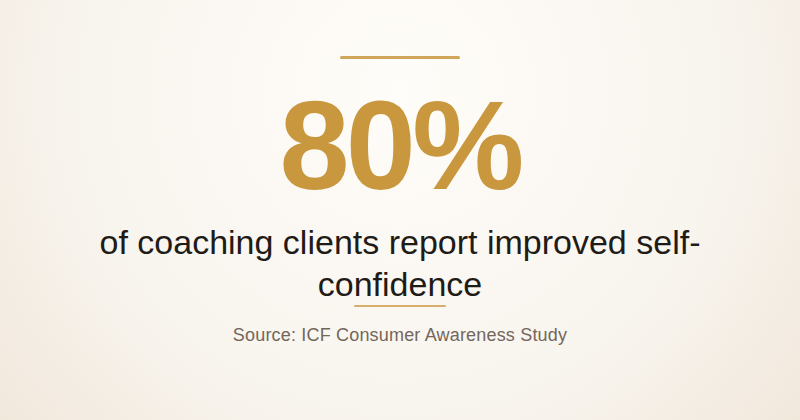
- 80% of coaching clients report improved self-confidence, based on ICF Consumer Awareness research
- Remote sessions reduce travel stress, improve attendance, and make accountability easier to maintain
- If you want local context with online flexibility, I support clients in Edinburgh and Glasgow
What an Online Coaching Session Actually Looks Like
No gimmicks. No fluffy prep rituals. You join a video call, we get focused, and we work.
A typical one-hour session looks like this:
- Check-in: what happened since we last spoke, where your head is at, what is most pressing
- Prioritise: we pick the one thing that matters most today, not the ten things shouting loudest
- Coaching work: challenge, clarity, pattern-breaking, practical decisions
- Commitments: specific actions for the week ahead, with clear ownership
- Close: what changed in the session and what happens next
The format is simple on purpose. Simplicity creates consistency, and consistency creates results.
The first five minutes matter more than people expect. That's not small talk — it's calibration. I'm listening for what's shifted since we last spoke, what's weighing on you, and where your energy actually is. Sometimes the thing you planned to discuss isn't the thing that needs attention. Those first few minutes surface that quickly.
Between sessions, accountability doesn't disappear. I follow up on the commitments you made. If you said you'd have a difficult conversation by Thursday, I'll ask how it went. If you didn't follow through, we explore why — not to judge, but because the gap between intention and action is usually where the real work is. That follow-through is often what separates coaching from a good chat with a friend.
On rhythm: most clients work with me weekly, especially in the first few months. Weekly sessions keep momentum high and make it harder to drift. Some clients move to fortnightly once they've built solid habits and need less frequent check-ins. The right cadence depends on what you're working on — personal development goals often benefit from weekly contact early on, while clients focused on longer-term goal planning sometimes prefer fortnightly once the structure is in place.
Why Online Coaching Works So Well
The medium is not the magic. The work is the magic.
What online does brilliantly is remove avoidable barriers:
- No travel time
- No parking, train delays, or rushing across town
- Fewer last-minute cancellations
- Easier to keep momentum when life gets busy
That matters because progress comes from repetition. If sessions are easy to attend, people stay in the process long enough to change behaviour, not just mood.
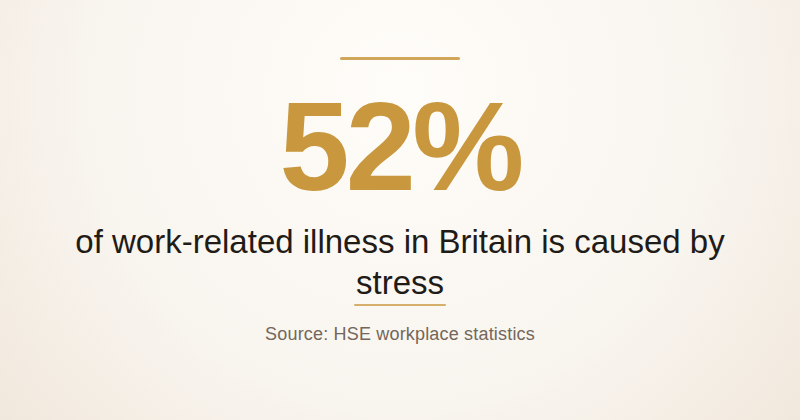
There's also broader context here. In Britain, 52% of all work-related illness is caused by stress, depression or anxiety, according to the Health and Safety Executive (HSE). People need support they can actually access week after week, not support that sounds good in theory but is hard to sustain in practice.
The Numbers Behind the Shift to Online
The demand for coaching is not speculation. The data is clear:
- The UK coaching industry grew by 9% in 2023 (ICF Global Coaching Study)
- 80% of coaching clients report improved self-confidence (ICF Consumer Awareness Study, via ICF research hub)
- In Scotland, only 63% of adults met physical activity guidelines in 2022 (Scottish Health Survey), which tells you how hard behaviour change is without structure
- Sport England's Active Lives data continues to show a large gap between intention and consistent action
- The Campaign to End Loneliness highlights how common chronic loneliness remains, especially during life transitions that also affect confidence and motivation
- The Scottish Health Survey 2022 found that 29% of Scottish adults reported high levels of psychological distress — a figure that underlines how many people are carrying significant weight without structured support
Those are exactly the kinds of conditions where coaching helps: clarity, accountability, and follow-through.
What You Need for Remote Coaching (Tech Setup)
You need less than people think:
- A phone, tablet, or laptop with camera and microphone
- Stable internet
- A private space where you can talk openly for an hour
That's it.
No expensive software. No technical hassle. If you can run a video call, you're ready.
I recommend a few basics for better sessions:
- Use headphones if your space is noisy
- Sit somewhere with decent lighting
- Keep your phone on silent
- Have notes open so you can track commitments
Simple setup, serious work.
Common Concerns About Online Coaching
Most people have at least one hesitation before their first online session. Here are the ones I hear most often.
"I'll get distracted at home."
This is a real concern, and the solution is simple: treat the session like a meeting you can't miss. Close other tabs. Put your phone on silent. Tell anyone in the house you're unavailable for an hour. The same discipline you'd apply to an important work call applies here. If your home genuinely isn't workable — a noisy flat, young children around — we can look at timing or you can take the call from a parked car or a quiet café. It doesn't need to be perfect, just private enough to speak honestly.
"It won't feel as personal."
In my experience, the opposite is often true. When you're in your own space, you're more relaxed, more honest, and less performative than you might be sitting across from someone in an unfamiliar room. Clients tell me they open up faster online than they expected. You're not on someone else's territory — you're on yours. That matters more than people realise. The depth of the work comes from the quality of the relationship and the honesty in the room, not from being physically present. After more than a decade working with clients across the UK and internationally, I've seen no meaningful difference in the depth of the work done online versus in person. If you want to understand more about my background and how I approach this, the about page covers it in detail.
"I'm not good with technology."
Online coaching is a video call. That's it. If you've ever used FaceTime, WhatsApp video, or Zoom for anything — a family call, a work meeting, a GP appointment — you already have everything you need. There's no specialist software, no account to set up, no technical knowledge required. I'll send you a link, you click it, and we're talking. If something doesn't work, we troubleshoot it together in two minutes and carry on.
Online vs In-Person: Which Is Better?
Both can work. For most people I coach, online is the better long-term option.
Why?
- Consistency: easier attendance over months
- Comfort: people open up faster in their own environment
- Flexibility: sessions can fit real life, including travel and family demands
- Geography: you can choose the right coach, not just the nearest coach
If you're local and want to blend online with in-person context, you can still explore support in Edinburgh or Glasgow. If you're still deciding between local and remote support, read life coach near me. But day to day, remote coaching is where most real progress now happens.
How I Work Online with Clients
My method is straightforward: clarity, structure, integration.
- Clarity - We identify what you actually want and what keeps repeating
- Structure - We build practical systems so progress does not rely on motivation
- Integration - We make it sustainable, so changes stick under pressure
This is not motivational chat. It's disciplined personal development with accountability.
The work varies by client. Some people come with a specific goal — a career change, a relationship pattern they want to break, a habit they've failed to build a dozen times. Others come with a vaguer sense that something isn't working and they need help naming it. Both are valid starting points. Depending on what you're working on, the focus might sit closer to personal development, mental health and emotional resilience, or structured goal planning. In practice, most clients touch all three at different points.
If you want to understand the broader process, read what is life coaching. If you want to start directly, book your initial session.
Frequently Asked Questions
Is online life coaching as effective as in-person?
For most people, yes. In practice, the quality of the relationship and the structure of the work matter more than whether we're in the same room. The majority of my 480+ clients work with me online and get strong, consistent results.
What technology do I need for online coaching?
A laptop, phone, or tablet with a camera and microphone, plus a stable internet connection. You don't need specialist software or complicated setup.
Can I work with an online life coach if I'm outside the UK?
Yes. I work with clients across the UK and internationally. We agree a time that works across time zones, and the coaching process stays exactly the same.
How much does an online life coaching session cost?
My initial session is £60 for one hour. It's a proper coaching session, not a sales call, and you'll leave with clear next steps.
How do I choose the right online life coach?
Look for real-world experience, a clear method, and honest communication. Ask how sessions are structured, how accountability works, and what results clients actually report.
If you're ready to see what online coaching feels like in practice, book your initial session. One hour, £60, no fluff - just honest work and clear direction.