By Alistair Johnstone
Are you at a crossroads, wondering whether coaching could actually help you move forward? Most people who reach out have been sitting on that question for months — sometimes years. Research suggests the average UK adult spends over six months "thinking about" making a change before they act on it. That gap between knowing something needs to shift and actually doing something about it is exactly where coaching lives.
Readiness for coaching isn't about having everything figured out. It's about being willing to stop waiting. If you're already comparing options, this guide on how to find a life coach will help you choose well.
Here are five clear signs that you're ready for lifestyle coaching — and that the time to act is now.
Key Takeaways
- Awareness that something needs to change is the first and most important sign of readiness
- Coaching works best when you're willing to be honest and do the work — not just talk about it
- You don't need perfectly defined goals; coaching helps you clarify them
- Openness to feedback is more important than having all the answers
- Investing in yourself is a decision, not a luxury
1. You Know Something Needs to Change
The first sign of readiness is awareness. You might not know exactly what needs to shift, but you feel it. Perhaps your relationships aren't as fulfilling as they could be, your career feels stagnant, or you're stuck in patterns that keep repeating. That quiet knowing — that something is off — is actually your greatest asset.
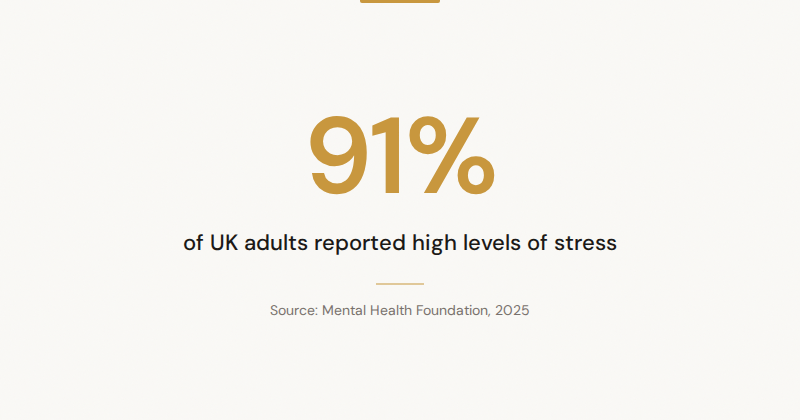
According to the Mental Health Foundation, 91% of UK adults reported experiencing high levels of stress in 2025. Most of them knew something was wrong. Far fewer did anything about it.
Many people spend years ignoring this feeling, hoping it will go away on its own. But you're reading this, which means you're not doing that. That acknowledgment is the foundation of change. Coaching works best when you're no longer willing to accept the status quo — when you're ready to ask yourself the hard questions and explore new possibilities.
If you've been circling the same problems for months, that's not a sign you're broken. It's a sign you haven't had the right structure and support to break through. That's what personal development coaching is designed to do.
2. You're Willing to Do the Work
Coaching isn't passive. It's not about someone else fixing your problems for you. It's a partnership where you show up, you're honest, and you take action on the insights you discover. If you're ready to invest time and energy into your own growth — to have difficult conversations, to challenge your beliefs, to try new approaches — then you're ready.
This willingness is what separates people who transform from those who remain stuck. Having worked with over 480 clients across Scotland and the UK, I've seen one consistent pattern: the people who get results are the ones who show up fully. Not the ones who are most talented, most educated, or most motivated at the start. The ones who are most honest.
If you're prepared to do that work, coaching can accelerate your progress dramatically. If you're not sure you're ready, that's worth exploring too — sometimes the resistance itself is the most important thing to look at.
3. You Have Some Sense of What You Want (Even If It's Vague)
You don't need to have your entire life mapped out to start coaching. But you should have some sense of what you want to move toward. Maybe it's a healthier relationship, a career change, better work-life balance, or simply feeling more confident in yourself. These goals don't need to be perfectly articulated — that's part of what coaching helps you clarify.
What matters is that you have a direction. You know there's something you want to achieve or experience, even if the path isn't clear yet. Coaching provides the structure and guidance to turn that vague sense of "something better" into concrete, achievable goals.
This is where goal planning and achievement coaching becomes genuinely useful — not just for people who know exactly what they want, but for people who are still figuring it out. The clarity comes through the process, not before it.
4. You're Open to Honest Feedback
Growth requires honesty. If you're someone who gets defensive when challenged, or who prefers to avoid difficult truths about yourself, coaching will be harder. But if you're willing to hear feedback — even when it's uncomfortable — and to examine your own role in the situations you're facing, then you're ready.
My approach is compassionate but direct. I'll help you see patterns you might be missing, challenge assumptions that aren't serving you, and reflect back what I observe. This only works if you're genuinely open to that feedback and willing to consider new perspectives about yourself and your life.
This isn't about being criticised. It's about being seen clearly — often for the first time. Most clients tell me that the honest, non-judgmental feedback they receive in sessions is something they've never had before. Not from friends, not from family, not from anyone. That clarity is what makes the difference.
If you're curious about how this works in practice, read more about the power of accountability in personal growth — it covers exactly why having someone in your corner changes everything.
5. You're Ready to Invest in Yourself
Finally, readiness includes a commitment to prioritise yourself. This might mean carving out time for coaching sessions, being willing to invest financially in your growth, or making space in your life for reflection and change. It means recognising that you are worth the investment.
76% of UK workers report experiencing burnout symptoms. Most of them are investing heavily in their work, their families, their obligations — and almost nothing in themselves. Coaching is a deliberate decision to reverse that.
People who succeed in coaching are those who understand that investing in themselves is one of the best decisions they can make. They see coaching not as an expense, but as an investment in their future happiness, success, and wellbeing. The coaching industry is growing at 9% annually in the UK — not because it's a trend, but because it works.
If you're ready to make that investment, mental health coaching and personal development services are designed to give you the structure, accountability, and honest support to make it count. And if budget clarity matters first, read how much does life coaching cost.
What Happens When You're Ready?
If these signs resonate with you, the next step is simple: have a conversation. Not a commitment, not a contract — just a conversation. An initial session is one hour, and it's designed to help you understand whether coaching is the right fit for where you are right now.
I've been coaching for well over a decade, and I've worked with people at every stage — from those who are barely holding it together to those who are doing well but know they're capable of more. The common thread isn't the severity of the problem. It's the willingness to be honest about it.
You can learn more about my background and approach on the about page, or if you're ready to take the first step, get in touch and we'll take it from there.
Frequently Asked Questions
How do I know if I need a life coach?
If you feel stuck, keep repeating the same patterns, or know something needs to change but can't figure out how — those are strong signs coaching could help. You don't need to be in crisis. Most people come to coaching when they're functioning fine but know they're capable of more.
What's the difference between coaching and therapy?
Therapy typically focuses on processing past trauma and healing psychological wounds. Coaching is forward-focused — it's about building new habits, clarifying goals, and creating structure for the life you want. Both are valuable, and they can work alongside each other.
How much does life coaching cost in the UK?
Life coaching in the UK typically ranges from £50 to £200+ per session depending on the coach's experience and specialism. At The Missing Piece, initial sessions are one hour. The investment is in your future — most clients find it pays for itself many times over in clarity and results.
What happens in a first coaching session?
Your first session is a conversation, not an interrogation. We talk about where you are, what's not working, and what you actually want. There's no pressure to have everything figured out. The goal is to understand your situation and see whether coaching is the right fit.
Can coaching help with anxiety and low confidence?
Yes. While coaching isn't therapy, it's highly effective for building confidence, managing overwhelm, and breaking the patterns that fuel anxiety. Many clients find that having structure, accountability, and an honest outside perspective makes a significant difference.
If you recognise yourself in these signs, don't wait another six months. Book your initial session — one hour, honest conversation, no pressure. Your missing piece is closer than you think.