By Alistair Johnstone
Life coaching is one of those terms that gets used a lot and explained poorly. Ask ten people what a life coach does and you'll get ten different answers — some accurate, some wildly off. So let's be straightforward about it.
A life coach helps you get clear on what you want, understand what's getting in the way, and build the structure to actually make it happen. That's it. No mysticism, no motivational speeches, no vague promises about "unlocking your potential." Just honest, structured support for people who are ready to make real changes.
Key Takeaways
- Life coaching is forward-focused: it's about where you're going, not just where you've been
- A good coach asks the questions you haven't thought to ask yourself
- Coaching works best when you're ready to be honest and do the work
- It's not therapy — but it can work alongside therapy effectively
- The coaching industry in the UK is growing because it produces real results for real people
What Life Coaching Actually Is
Life coaching is a structured, goal-oriented relationship between a coach and a client. The coach's job is to help the client gain clarity, build accountability, and make progress on the things that matter most to them. It's not advice-giving (though insights emerge). It's not therapy (though it can be deeply personal). It's not cheerleading (though encouragement is part of it). If you want to see the one-to-one format in more detail, this guide to personal coaching breaks it down clearly.
The best way to understand coaching is through what it produces: clarity where there was confusion, momentum where there was stagnation, and confidence where there was self-doubt. These aren't abstract outcomes — they're the practical results of having someone skilled in your corner, asking the right questions and holding you to the commitments you make.
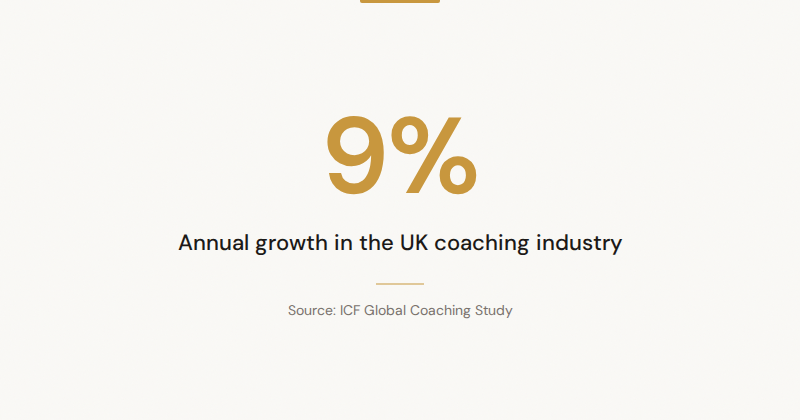
The coaching industry in the UK is growing at 9% annually, according to the International Coaching Federation. That's not a trend — it's a reflection of the fact that people are increasingly recognising that knowing what to do and actually doing it are two very different things.
What a Life Coach Actually Does
In a session, a life coach will typically:
- Listen carefully — not just to what you say, but to what you're not saying, and to the patterns in how you talk about your situation
- Ask questions — the kind that cut through the noise and get to what actually matters
- Reflect back — helping you see yourself and your situation more clearly than you can from the inside
- Challenge assumptions — gently but directly, when your thinking is keeping you stuck
- Help you set commitments — specific, realistic actions you'll take before the next session
- Hold you accountable — following up on those commitments and exploring what happened when you don't follow through
What a life coach doesn't do: diagnose, prescribe, tell you what to do with your life, or promise outcomes they can't guarantee. A good coach is honest about what coaching is and isn't.
Who Benefits from Life Coaching?
Life coaching is useful for a wide range of people and situations. Common reasons people seek coaching include:
- Feeling stuck in a career, relationship, or life situation they can't seem to change
- Knowing what they want but struggling to follow through
- Going through a significant life transition (career change, relationship breakdown, recovery from a difficult period)
- Wanting to build better habits, routines, or structures
- Struggling with confidence, self-worth, or a persistent sense that they're capable of more
- Recovering from a period of burnout, anxiety, or emotional exhaustion
According to Deloitte's UK workplace research, 76% of UK workers report experiencing burnout symptoms. Most of them are managing it alone, without structure or support. Coaching provides both.
It's worth noting what coaching is not for: it's not a substitute for professional mental health treatment if you're dealing with severe trauma or diagnosed conditions. If that's where you are, a qualified therapist is the right first step. But for the vast majority of people who are functioning but not thriving, coaching is exactly the right tool.
The Missing Piece Method
Over well over a decade of coaching, and having worked with over 480 clients across Scotland and the UK, I've developed what I call The Missing Piece Method. It's not complicated — in fact, its simplicity is the point.
The method has three phases:
1. Clarity — Understanding where you actually are, what you actually want, and what's actually getting in the way. Most people skip this phase and go straight to action, which is why they keep starting over.
2. Structure — Building the habits, routines, and accountability systems that make progress consistent rather than sporadic. This is where most self-help approaches fail: they focus on motivation rather than structure.
3. Integration — Making the changes stick. Not just achieving a goal, but becoming the kind of person who consistently follows through. This is the identity shift that makes everything else sustainable.
Each of the services at The Missing Piece is built around this framework, whether that's personal development coaching, goal planning and achievement, or mental health coaching.
What to Expect in a First Session
Your first session is a conversation, not an assessment. There's no pressure to have everything figured out — in fact, if you had everything figured out, you probably wouldn't need a coach.
In a first session, we'll typically cover:
- Where you are right now and how you got here
- What's not working and what you've already tried
- What you actually want (which is often different from what you think you want)
- Whether coaching is the right fit for your situation
The session is one hour. By the end of it, you'll have a clearer picture of your situation and a sense of whether working together makes sense. There's no obligation beyond that.
Coaching vs. Therapy: A Brief Comparison
This comes up a lot, so it's worth addressing directly. Therapy and coaching are different tools for different purposes.
Therapy is typically focused on processing past experiences, healing psychological wounds, and addressing diagnosed mental health conditions. It's conducted by trained mental health professionals and is often covered by the NHS or private health insurance.
Coaching is forward-focused. It's about building new habits, clarifying goals, and creating structure for the life you want. It doesn't diagnose or treat mental health conditions, but it's highly effective for people who are functioning and want to do better.
The two can work alongside each other — many of my clients are also in therapy, and the two approaches complement each other well. If you want a deeper exploration of the differences, read coaching vs therapy: understanding the difference.
Is Life Coaching Right for You?
The honest answer is: it depends on where you are and what you're ready for. Coaching works best when you're willing to be honest, do the work, and take responsibility for your own progress. It's not a passive process.
If you're not sure whether you're ready, read 5 signs you're ready for lifestyle coaching. Readiness matters more than the severity of your situation.
If you're based in Scotland and want to understand the local context, life coaching in Scotland: finding the right support covers what to look for and what to expect.
You can also learn more about my background and approach on the about page — I believe in being transparent about who I am and how I work, so you can make an informed decision. And when you are ready to choose support, read how to find a life coach so you know exactly what to look for.
Frequently Asked Questions
What does a life coach actually do?
A life coach helps you get clear on what you want, identify what's getting in the way, and build the structure and accountability to make real progress. They ask the questions you haven't thought to ask yourself, reflect back patterns you can't see from the inside, and hold you to the commitments you make.
Is life coaching worth the money?
For the right person at the right time, yes — significantly. The key is being honest about whether you're ready to do the work. Coaching accelerates progress that would otherwise take years. Most clients find the investment pays for itself many times over in clarity, confidence, and results.
What's the difference between a life coach and a therapist?
Therapy focuses on processing past experiences and healing psychological wounds. Life coaching is forward-focused — it's about building new habits, clarifying goals, and creating structure for the life you want. Both are valuable; they serve different purposes and can work alongside each other.
How long do you need a life coach for?
It depends on what you're working on. Some people achieve significant results in 3 months. Others work with a coach for 6-12 months or longer. There's no fixed timeline — what matters is that you're making real progress and the work is serving you.
What qualifications should a life coach have?
There's no single regulated qualification for life coaching in the UK, which means quality varies widely. Look for coaches with substantial lived experience, a clear methodology, verifiable client results, and genuine transparency about what they do and don't offer. Credentials matter less than track record.
If you're curious about whether coaching could help you, the best next step is a conversation. Book your initial session — one hour, no pressure, just an honest look at where you are and what's possible. That's where it starts.